

 English
 العربية
 Español
 Русский
Industry News
Industry News

Published: October 9, 2026 | Reading time: 11 minutes
Whether you operate a commercial fishing fleet, a cargo vessel, an offshore platform, or a luxury yacht, reliable shipboard power is non-negotiable. Marine environments demand diesel generator sets that resist salt corrosion, handle continuous rolling motion, and deliver stable voltage under variable load. In this 2026 buyer's guide, Guangdong Longhong Electromechanical Equipment Co., Ltd. explains how to select, size, and source the right marine diesel generator for your vessel or offshore installation.
Marine vessels and offshore platforms operate far from shore grids. When main engines shut down or auxiliary power is needed, a dedicated marine diesel generator becomes the sole source of electricity for navigation, communication, lighting, pumps, and climate control. Diesel technology dominates this niche for five reasons:
For operators seeking a 100kW diesel generator or smaller 32kW silent diesel generator, the same engineering principles apply: the generator must start reliably after weeks of inactivity, tolerate salt-laden air, and fit within tight engine-room footprints. Guangdong Longhong builds open frame, canopy, and containerized units from 3 kVA to 3,000 kVA using Cummins, Weichai, Yuchai, Perkins, Volvo, and Yunnei engines—brands with proven marine and industrial track records.
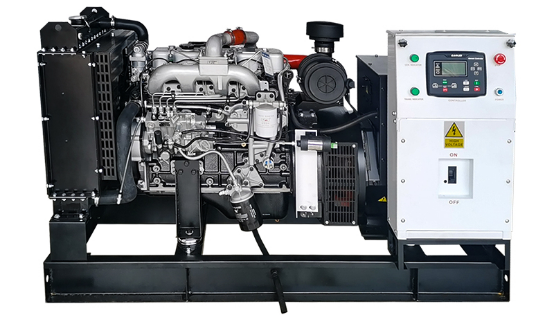
Before selecting a diesel power generator, every marine buyer must build a detailed load list. Shipboard loads fall into three categories:
These must run continuously or start automatically within seconds of a blackout. Examples include navigation lights, steering gear, bilge pumps, fire pumps, emergency communication radios, and GMDSS equipment. On passenger vessels, emergency lighting and public-address systems also belong here. Budget 100% of rated power for these loads because failure is not an option.
Operational loads run during normal sailing or working hours: deck cranes, winches, HVAC compressors, refrigeration plants, galley equipment, and lighting. Many of these are motor loads with high inrush currents. A three-phase diesel generator is standard for vessels above 15 kW because most marine motors are three-phase induction machines.
On cruise ships, ferries, and offshore accommodation platforms, hotel loads include cabin lighting, entertainment systems, laundry, and water heaters. While not life-critical, guest comfort drives revenue, so these loads still demand reliable standby diesel generator coverage during shore-power disconnect or main-engine downtime.
A practical tip: add a 20–25% future-growth margin to your total calculated load. Vessels are often retrofitted with new electronics, winches, or HVAC upgrades years after the original diesel genset is installed. Oversizing slightly today avoids a costly replacement tomorrow.
Correct sizing prevents two expensive mistakes: chronic under-loading (wet stacking, carbon buildup, shortened engine life) and chronic over-loading (overheating, alternator insulation damage, nuisance trips). Follow this four-step method.
List every device that will run simultaneously during the worst-case operational scenario. For a 45-meter commercial fishing trawler, a typical continuous load table looks like this:
Continuous total: 43 kW. At 0.8 power factor, this equals 53.75 kVA.
Marine refrigeration compressors and fire pumps often use direct-on-line (DOL) starting. A 12 kW compressor can draw 5–7 times its rated current for 2–3 seconds. Size the diesel generator set so that voltage dip during the largest motor start stays within 15–20%. As a rule of thumb, add 30–50% to the continuous kVA total when DOL starting is present. For our trawler: 53.75 kVA × 1.4 = 75.25 kVA.
Marine engines operate at sea level, so altitude derating is usually zero. However, engine-room temperatures can reach 45–50 °C in tropical climates. Most manufacturers derate output by 1% for every 5.5 °C above 25 °C. At 45 °C, that is a 3.6% reduction—negligible for most buyers, but worth confirming in the datasheet.
Standard marine diesel power plant ratings cluster around 20 kW, 30 kW, 40 kW, 50 kW, 64 kW, 80 kW, and 100 kW. For our 75 kVA calculated need, an 80kW silent diesel generator (100 kVA at 0.8 pf) provides comfortable headroom. If the vessel also carries a small auxiliary genset for harbor standby, a 32kW silent diesel generator (40 kVA) covers hotel loads alone, saving fuel and engine hours on the main set.
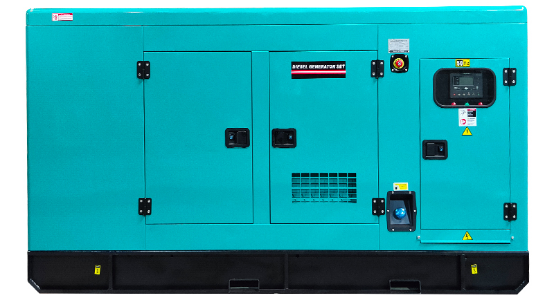
The marine environment is uniquely hostile: salt spray, high humidity, constant vibration, and limited installation space. Enclosure choice directly impacts generator lifespan and maintenance burden.
Open frame units offer the smallest footprint and lowest cost. In a protected engine room with climate control and salt-filtration intake, an open frame diesel power generator is perfectly viable. The buyer must add stainless-steel drip trays, anti-vibration mounts, and possibly a custom salt-resistant paint coat. Longhong's CE and ISO certifications cover the base alternator and engine quality; marine-grade coatings can be applied as a factory option for export orders.
On deck-mounted installations—common on offshore supply vessels, barges, and platform support ships—a canopy diesel generator is essential. The steel canopy blocks salt spray, reduces noise to 65–75 dB at 7 meters, and provides lockable access doors for security. For crew accommodation areas, noise matters: IMO guidelines recommend maximum 60 dB in sleeping quarters. A high-grade silent canopy with exhaust silencer and acoustic insulation meets this standard. The 80kW silent diesel generator and 100kW diesel generator from Longhong both ship with weatherproof canopy options suitable for deck mounting.
For offshore platforms, FPSO vessels, and temporary marine construction camps, a containerized diesel generator offers the highest protection level. Built into a modified ISO shipping container, these units include integrated fuel tanks, ventilation, fire suppression, and lifting lugs for crane placement. Containerized sets are also easier to transport between ports and projects. Longhong supplies containerized diesel generator sets up to 3,000 kVA, with optional CSC certification for international shipping.
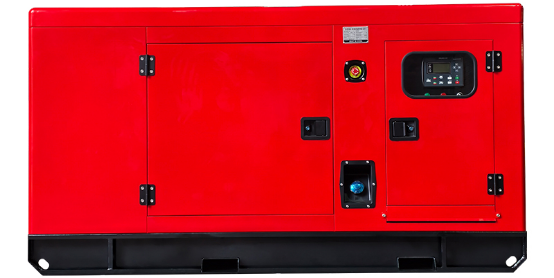
A marine diesel genset is only as reliable as its supporting systems. Three areas demand careful planning: fuel storage, engine-room ventilation, and exhaust routing.
Marine diesel (MDO or MGO) must be kept clean and water-free. Install a day tank close to the engine with a capacity sufficient for 8–24 hours of operation, depending on voyage length. Between the main bunker tank and the day tank, fit a fuel-water separator and a polishing filter. Condensation in bunker tanks is inevitable; without polishing, water and microbial growth will clog injectors and destroy fuel pumps. For an emergency diesel generator that may sit idle for weeks, fuel polishing is not optional—it is essential.
Engine rooms need both combustion air and cooling air. A general rule is 6–8 m³ per minute per 100 kW of generator rating. Ventilation intakes should face away from spray and be fitted with moisture eliminators. Radiator-cooled generators discharge hot air through ducting; ensure the discharge path does not recirculate into the intake. For tropical operations, consider oversized radiators or auxiliary blower fans.
Marine exhaust systems use dry or wet exhaust configurations. Wet exhaust mixes seawater with exhaust gases before discharge, cooling the gas and allowing flexible rubber hose routing. Dry exhaust uses insulated steel piping and is more common on large commercial vessels. Both systems need back-pressure checks: excessive back pressure reduces turbocharger efficiency and raises exhaust temperatures. Install a high-quality marine-grade silencer to meet port-state noise regulations and crew comfort standards.
Commercial vessels must comply with classification society rules. The major societies include Lloyd's Register (LR), DNV, Bureau Veritas (BV), American Bureau of Shipping (ABS), and China Classification Society (CCS). While the generator itself is rarely class-certified as a standalone item, the engine and alternator must carry type-approval certificates from the society relevant to the vessel's flag state.
Key certificates to request from your China diesel generator manufacturer:
Longhong holds CE and ISO certifications and can arrange third-party witnessed FATs for marine export orders. For buyers in Southeast Asia, Africa, or the Middle East, Longhong's Tanzania 100KVA Cummins export case study demonstrates experience with port-to-port logistics and documentation for international marine and industrial clients.
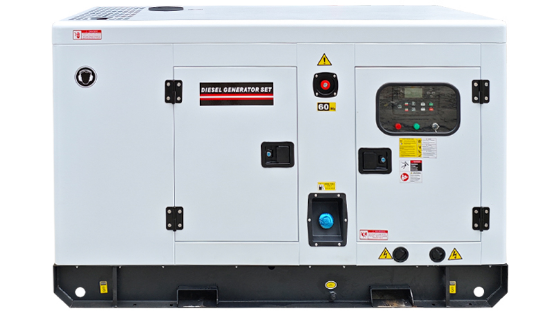
China is one of the world's largest producers of diesel generator sets, with coastal manufacturing clusters in Guangdong, Fujian, and Jiangsu provinces offering competitive pricing and fast turnaround. However, marine applications raise the stakes: a failed generator at sea is far more dangerous than a failed construction-site unit. Before placing an order, verify the following.
Confirm that the engine is a genuine Cummins, Weichai, Yuchai, Perkins, Volvo, or Yunnei product with a traceable serial number. Counterfeit or refurbished engines enter the supply chain occasionally. Request the engine factory's original delivery note and warranty document. Longhong sources engines directly from authorized distributors, with full traceability.
Marine alternators need Class H insulation, 2/3 pitch windings to reduce harmonic heating, and AVR voltage regulation within ±1%. Ask for the alternator brand (Stamford, Leroy-Somer, Marathon, or equivalent) and independent test reports. Cheap alternators with Class F insulation or poor voltage regulation will fail prematurely in humid salt air.
Modern marine auto-start diesel generators use AMF (automatic mains failure) controllers that monitor shore power or main-engine bus voltage. On power loss, the controller starts the genset, synchronizes if needed, and transfers load within 10–15 seconds. Deep Sea Electronics (DSE) and ComAp controllers are industry standards. Verify that the controller supports marine-specific alarms: low oil pressure, high coolant temperature, overspeed, and alternator overload.
Marine generators operate in remote locations. A China diesel generator supplier with a global parts network and multilingual technical support is invaluable. Longhong maintains a permanent stock of 200+ generator units and common spare parts in Guangdong, with shipping partnerships to Cambodia, Vietnam, Myanmar, Tanzania, Libya, and other export markets. For critical voyages, buyers should also order a recommended spare-parts kit (filters, belts, injectors, AVR) with the original shipment.
Standard warranties range from 12 to 24 months or 1,000 to 2,000 running hours. For marine use, negotiate a warranty that covers both parts and labor, and clarify whether on-site service is available in your region. Complete documentation—operation manual, wiring diagram, parts list, and FAT report—should be provided in English (or your preferred language) before shipment.
Marine diesel generators are specialized machines that must survive salt, humidity, vibration, and isolation while delivering life-critical power. Success starts with honest load assessment, conservative sizing with motor-start margins, and the right enclosure for the installation environment. Fuel polishing, ventilation, and exhaust planning are just as important as the generator itself. Finally, sourcing from a reputable China diesel generator manufacturer with genuine engines, certified alternators, and proven export experience reduces risk and total cost of ownership.
Guangdong Longhong Electromechanical Equipment Co., Ltd. has manufactured diesel generator sets since 2010, drawing on more than 20 years of industry experience. From 3 kVA portable units to 3,000 kVA containerized power plants, Longhong offers open frame, silent canopy, trailer, and containerized configurations with Cummins, Weichai, Yuchai, Perkins, Volvo, and Yunnei engines. All products carry CE and ISO certification, and the company maintains 200+ units in permanent stock for fast dispatch.
If you are specifying a marine diesel generator for a new build, retrofit, or offshore project, contact Longhong for a detailed power audit, sizing proposal, and marine-compatible configuration. Browse the full product catalog or review certifications and qualifications to verify manufacturing standards before you buy.
About Guangdong Longhong Electromechanical Equipment Co., Ltd.
Established in 2010 in Guangdong, China, Longhong Power is a leading diesel generator manufacturer specializing in 3KVA–3000KVA power solutions. The company supplies open frame, silent canopy, trailer, and containerized generators for construction, mining, healthcare, data centers, agriculture, events, marine, and industrial applications worldwide. Engine brands include Cummins, Weichai, Yuchai, Perkins, Volvo, and Yunnei. CE and ISO certified. Visit https://www.longhongpower.com/ for product details, case studies, and export inquiries.


