

 English
 العربية
 Español
 Русский
Industry News
Industry News

Medical facilities cannot afford power interruptions. A sudden outage during surgery, intensive care, or diagnostic imaging puts lives at risk and exposes institutions to severe liability. A properly sized healthcare diesel generator provides the backbone of hospital emergency power strategy, ensuring continuity for life-safety systems, critical care equipment, and environmental controls. This guide explains how facility managers and procurement teams can specify, size, and source the right diesel generator set for hospitals, clinics, diagnostic centers, and aged-care facilities in 2026.
Hospitals and clinics operate under strict regulatory frameworks that mandate uninterrupted power for patient care. Unlike commercial buildings where a brief outage is an inconvenience, a blackout in a healthcare setting can disable ventilators, dialysis machines, operating lights, and medication refrigeration. Regulatory bodies including the NFPA 99 (Health Care Facilities Code) in North America and IEC 60364-7-710 internationally require healthcare institutions to maintain emergency power through an emergency diesel generator or equivalent backup system.
The consequences of inadequate backup power are well documented. During natural disasters, grid failures, and load-shedding events, hospitals without robust standby diesel generator systems have faced evacuations, suspended surgeries, and spoilage of temperature-sensitive vaccines and blood products. A modern diesel power generator designed for healthcare duty provides:
Guangdong Longhong Electromechanical Equipment Co., Ltd. has supplied diesel generator sets to medical facilities across Southeast Asia and Africa, where grid reliability challenges make backup power non-negotiable. Our 100kW diesel generator and 80kW silent diesel generator models are frequently specified for mid-size hospitals and regional clinics requiring quiet, reliable standby power.
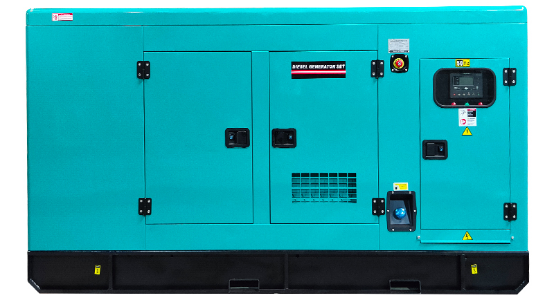
100kW silent diesel generator — ideal for mid-size hospital backup power with low-noise canopy enclosure.
Healthcare electrical loads are not equal. NFPA 99 divides hospital electrical systems into four branches, and your diesel genset must be sized to cover the branches your facility chooses to protect. Understanding this hierarchy is the first step in accurate generator specification.
This branch includes illumination of egress routes, fire alarms, fire pumps, and emergency communication systems. It receives the highest priority and must transfer to emergency power within 10 seconds of grid failure. Every hospital-grade auto-start diesel generator must be capable of accepting these loads instantly.
The critical branch powers operating rooms, intensive care units (ICU), neonatal intensive care, emergency departments, and recovery rooms. It also includes medical air compressors, suction systems, and selected surgical equipment. Loss of critical branch power during active surgery or patient ventilation is potentially fatal. Sizing the standby diesel generator to cover 100% of critical branch demand is standard practice.
This branch serves heating, ventilation, and air conditioning (HVAC) for patient areas, sterilization equipment, kitchen refrigeration, laundry, and general building services. While not immediately life-threatening, prolonged loss of HVAC in surgical suites or pharmaceutical storage areas creates serious compliance and safety issues. Most facilities size their power generator to cover both critical and equipment branches.
Administrative offices, general lighting, non-patient catering, and cosmetic systems are typically shed during emergency operation to reduce generator load and extend fuel autonomy. Your automatic transfer switch (ATS) scheme should be programmed to drop non-essential circuits within seconds of generator startup.
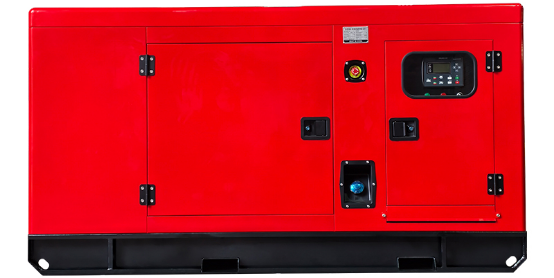
80kW silent diesel generator — perfectly sized for clinics, diagnostic centers, and small hospital wings.
Oversizing wastes capital and fuel; undersizing risks overload, voltage collapse, and generator shutdown when you need it most. Healthcare generator sizing follows a three-step methodology that accounts for steady-state loads, motor inrush currents, and future expansion.
Compile a detailed load list from electrical panel schedules, equipment nameplates, and HVAC specifications. Record running kW, power factor, and starting method (DOL, star-delta, soft starter, or VFD) for every motor. Pay special attention to:
Not all loads run simultaneously. Apply a diversity factor of 0.75–0.85 to general building services, but use 1.0 (no diversity) for critical care areas and life-safety systems. Add a minimum 20% future growth margin to accommodate new equipment, building extensions, or increased patient capacity.
The generator must supply the highest motor inrush current while maintaining voltage dip within acceptable limits. For medical facilities, voltage dip during motor starting should not exceed 15% to prevent disruption of sensitive electronics. Use the following rule of thumb:
| Motor Starting Method | Starting Current (× Full Load) | Generator Sizing Multiplier |
|---|---|---|
| Direct On Line (DOL) | 6–8× | 3.5–5× motor kW |
| Star-Delta | 2–3× | 2–2.5× motor kW |
| Soft Starter | 3–4× | 2.5–3× motor kW |
| Variable Frequency Drive (VFD) | 1–1.5× | 1.5–2× motor kW |
Worked Example — 150-Bed District Hospital:
For smaller clinics and diagnostic centers with loads under 100 kW, the 80kW silent diesel generator or 64kW automatic generator provides an excellent balance of capacity, quiet operation, and automatic transfer capability.
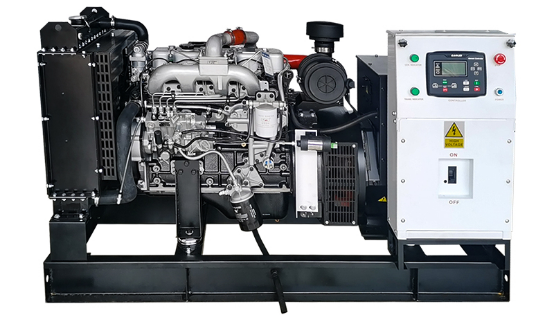
Open frame diesel generator — suitable for dedicated hospital plant rooms with engineered acoustic treatment and ventilation.
Medical equipment is extraordinarily sensitive to power quality. A diesel power plant serving a healthcare facility must deliver cleaner power than a typical industrial installation. Key considerations include:
Automatic voltage regulators (AVR) on the alternator must maintain ±1% voltage regulation from no-load to full-load. This precision prevents flicker in surgical lighting and ensures consistent performance of patient monitors, infusion pumps, and ventilators.
Electronic medical devices rely on stable 50 Hz or 60 Hz frequency. Modern digital governors maintain ±0.25% frequency stability, well within the tolerance of most diagnostic and life-support equipment.
Non-linear loads such as UPS systems, variable speed drives, and switching power supplies inject harmonic currents that distort the voltage waveform. Total harmonic distortion (THD) should be kept below 5% for general medical areas and below 3% for imaging suites and operating theaters. Specify alternators with 2/3 pitch windings, which naturally suppress triplen harmonics, and consider adding harmonic filters for facilities with large UPS or VFD populations.
Medical-grade electrical installations in patient care areas often require isolated power systems (IPS) or medical IT grounding systems per IEC 60364-7-710. The generator neutral must be compatible with the facility's grounding scheme — typically solidly grounded for the generator itself, with isolation transformers installed downstream for specific medical-grade circuits.
Electromagnetic compatibility (EMC) is critical near MRI suites and radio-diagnostic equipment. The diesel generator set enclosure, control cabinet, and cabling must be properly shielded and grounded to prevent conducted and radiated interference. CE-certified generators from established China diesel generator manufacturers with ISO 9001 quality systems typically include EMC-tested control panels suitable for healthcare deployment.
Hospital campuses have strict noise limits, particularly near patient wards, operating theaters, and neonatal units. A standard open-frame diesel genset produces 95–105 dB(A) at 1 meter — unacceptable for healthcare environments. Enclosure selection is therefore a critical design decision.
Canopy diesel generators with acoustic attenuation reduce noise to 65–75 dB(A) at 1 meter through multi-layer insulation, baffled air intakes, and exhaust silencers. This level is comparable to normal conversation and is generally acceptable for outdoor installation 15–20 meters from patient buildings. For closer placement, super-silent enclosures achieving 55–60 dB(A) are available.
The 32kW silent generator and 80kW silent diesel generator from Longhong feature weatherproof silent canopies with integrated fuel tanks, making them ideal for outdoor pad installation at clinics and small hospitals where dedicated plant rooms are unavailable.
For large regional hospitals requiring 500 kVA to 2,000 kVA of backup power, containerized diesel generators offer a turnkey solution. The shipping-container format includes integrated ventilation, fuel systems, control rooms, and sometimes even parallel switchgear. Container walls provide excellent acoustic damping, and the modular format allows future expansion by adding parallel units.
When generators are installed indoors, the plant room must provide:
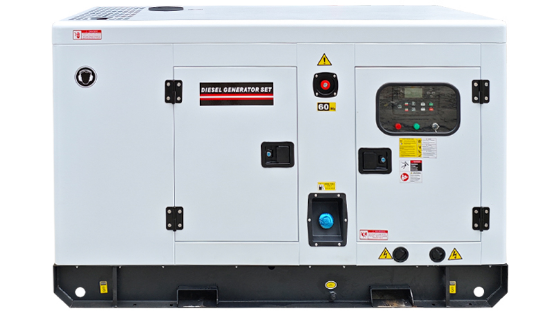
32kW silent diesel generator — compact, quiet, and automatic — perfect for small clinics and rural health posts.
Speed of transfer is life-critical in healthcare. NFPA 99 requires automatic transfer of life safety loads within 10 seconds of grid failure. Critical branch loads should transfer within the same window, though some interpretations allow up to 30 seconds for equipment branch loads.
A properly configured auto-start diesel generator system executes the following sequence:
Healthcare facilities typically use a three-level ATS architecture:
The 64kW automatic generator includes a factory-integrated ATS option with programmable load-shedding logic, allowing clinics to prioritize critical circuits automatically during extended outages.
Modern healthcare facilities require 24/7 visibility of generator status. Remote monitoring systems report:
SMS and email alerts ensure maintenance teams respond immediately to faults, even during off-hours. For facilities with multiple sites, centralized SCADA integration provides fleet-level oversight of all diesel generator sets.
Healthcare generators must outlast the outage. NFPA 110 Level 1 systems require a minimum fuel supply for 24 hours of full-load operation, but many jurisdictions and hospital accreditation bodies mandate 48–96 hours. After Hurricane Katrina and similar disasters, leading healthcare architects now specify 7-day fuel autonomy for critical facilities.
Diesel fuel consumption for healthcare generators averages 0.25–0.30 liters per kWh produced. A 500 kVA (400 kW) generator at 75% load consumes approximately 75 liters per hour. For 72-hour autonomy:
Diesel stored for extended periods degrades through oxidation, water contamination, and microbial growth ("diesel bug"). Healthcare facilities must implement:
For extended outages exceeding on-site fuel reserves, pre-negotiated refueling contracts with local fuel suppliers ensure priority delivery. Mobile trailer type construction site generator units can also serve as temporary bridging power while main tankers are refilled, a strategy Longhong has deployed during disaster response in Southeast Asia.
China is a leading global source of diesel generator sets, offering competitive pricing, broad engine brand choice, and flexible customization. However, healthcare procurement demands rigorous supplier verification. Use this checklist when evaluating a China diesel generator manufacturer for medical facility supply:
Verify that Cummins, Perkins, Volvo, Weichai, Yuchai, or Yunnei engines are genuine factory-new units with serial numbers traceable to the engine manufacturer. Counterfeit or refurbished engines are unacceptable for life-safety applications. Request engine factory release certificates and EPA/EU Stage emission compliance documents.
Specify brushless alternators from brands such as Stamford, Leroy-Somer, or Marathon with digital AVR. Demand factory test reports showing ±1% voltage regulation and <5% THD at full non-linear load. For imaging suites, request <3% THD with 2/3 pitch winding.
Healthcare generators require comprehensive documentation:
View Longhong's full certification portfolio including CE, ISO 9001, and factory acceptance test protocols.
Insist on witnessed FAT at the manufacturer's facility before shipment. The FAT should include:
Healthcare generators operate for decades. Confirm the supplier maintains a 10-year spare parts commitment and can deliver critical components (filters, belts, pumps, AVR boards) within 48–72 hours to your region. A diesel generator supplier with regional service partners or trained local technicians provides faster response than one relying solely on factory-based support.
Healthcare projects often require non-standard configurations:
Longhong's engineering team customizes 100kW, 80kW, and larger industrial emergency diesel generator sets for healthcare clients, with options for super-silent canopies, integrated ATS, and telemetry-ready control systems.
Standard warranties range from 12 months or 1,000 running hours to 24 months or 2,000 hours for premium configurations. For healthcare applications, negotiate extended warranty coverage and preventive maintenance contracts that include annual load-bank testing, oil analysis, and fuel polishing.
Longhong has exported diesel generator sets to medical facilities in Tanzania, Cambodia, Vietnam, Myanmar, and Libya, with installations serving regional hospitals, COVID-19 field clinics, and vaccination cold-chain centers. Our school 500KVA silent generator project demonstrates our capability to deliver quiet, reliable power for institutions where noise and continuity are paramount.
Specifying a healthcare diesel generator requires more than selecting a kW rating. Facility managers must understand load classification, motor starting dynamics, voltage quality requirements, noise constraints, and regulatory compliance frameworks. The right emergency diesel generator integrates seamlessly with the facility's electrical distribution, ATS, and UPS systems to provide invisible, instantaneous protection for patients and staff.
By following the sizing methodology, enclosure selection criteria, and China sourcing checklist outlined in this guide, procurement teams can confidently specify hospital-grade diesel power generators that deliver decades of reliable service. Whether you are equipping a rural clinic with a 32kW silent generator or a regional medical center with a 500 kVA containerized plant, the principles remain the same: size correctly, demand certified quality, and plan for the longest outage you can imagine.
Guangdong Longhong Electromechanical Equipment Co., Ltd. is a China diesel generator manufacturer with 20+ years of experience producing 3KVA–3000KVA diesel generator sets for healthcare, industrial, and infrastructure clients worldwide. Browse our product catalog or contact our engineering team for a hospital backup power assessment tailored to your facility's specific load profile and regulatory environment.


