

 English
 العربية
 Español
 Русский
Industry News
Industry News

When temperatures plunge below freezing, a diesel generator set that starts flawlessly in July can fail completely in January. For buyers in Russia, Kazakhstan, Mongolia, Northern China, Canada, and high-altitude regions, cold-climate readiness is not an optional extra — it is the difference between a standby diesel generator that saves the day and a frozen lump of steel during an emergency. This guide explains what makes a diesel power generator winter-ready, which components matter most, how to size a unit for cold-weather duty, and what to verify when sourcing from a China diesel generator manufacturer.
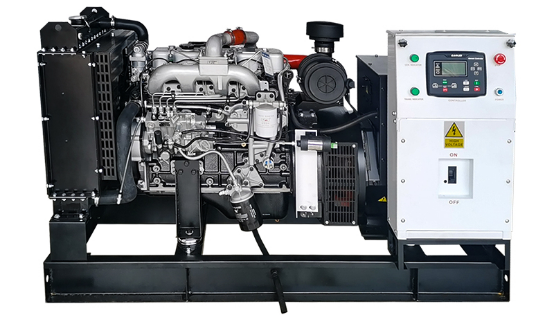
Diesel engines rely on compression ignition: air is compressed until it is hot enough to ignite injected fuel. In extreme cold, three factors conspire against this process. First, cylinder walls and intake air absorb heat, so compression temperatures drop below the ignition point. Second, lubricating oil thickens like honey, which increases cranking resistance and delays oil pressure buildup at startup. Third, the battery's chemical output falls sharply — a fully charged battery that delivers 100% of its rated cranking amps at 25°C delivers only about 50% at −18°C, precisely when the engine needs more cranking power than usual.
Field reports from cold-region operators follow a consistent pattern. The most common failure is simply no-start: the engine cranks slowly or not at all, and the facility waits for a mobile service technician while food thaws, servers shut down, or production lines stand idle. The second most common problem is fuel-related — wax crystals clog filters within hours of a temperature drop, starving the engine even after a successful start. The third is coolant freezing in engines that were filled with straight water instead of proper antifreeze, which can crack the block and destroy an entire 100kW diesel generator investment overnight.
None of these failures are inevitable. Every one of them is preventable with correct specification at the factory and correct preparation on site — which is why cold-climate buyers should treat winterization as a core purchasing criterion, not an afterthought.
A proper cold-weather package addresses the engine, the battery and the fluids simultaneously. When comparing offers from any manufacturer, verify that all of the following are included:
The controller matters too. Modern genset controllers include a pre-heat cycle that energizes glow plugs and verifies coolant temperature before attempting a crank, then holds the engine at idle until parameters stabilize. A quality 80kW silent diesel generator specified for winter duty should ship with a controller that supports programmed cold-start sequences and low-coolant-temperature alarms — ask to see the alarm list in the controller datasheet before ordering.
Standard No. 2 diesel fuel begins to cloud as wax crystals form around −8°C, gels around −15°C, and will no longer flow to the injection pump well before it fully solidifies. This is called fuel gelling, and it is the most underestimated cold-weather problem among buyers from warm regions.
Layer one — fuel grade. Specify winter-blended or arctic-grade diesel. No. 1 diesel (kerosene-type) remains fluid to roughly −40°C; many operators blend No. 1 and No. 2 in proportion to their local forecast. In China, winter diesel is sold in graded classes (0#, −10#, −20#, −35#) matched to regional climate zones — a useful signal for export buyers about how seriously cold-weather fuel is treated in the manufacturer's home market.
Layer two — additives and anti-gel dosing. Cold-flow improvers lower the pour point and prevent wax crystals from binding. Dosing must begin before the first frost; additives cannot rescue fuel that has already gelled.
Layer three — fuel system design. Insulated and heated fuel lines, water separators with heater elements, and fuel tanks positioned to avoid snow burial all matter. For remote sites relying on a 30kW silent generator for farms or a telecom-style off-grid installation, an oversized belly tank with a fuel heater loop eliminates mid-winter refueling trips — which are exactly when resupply is most difficult.
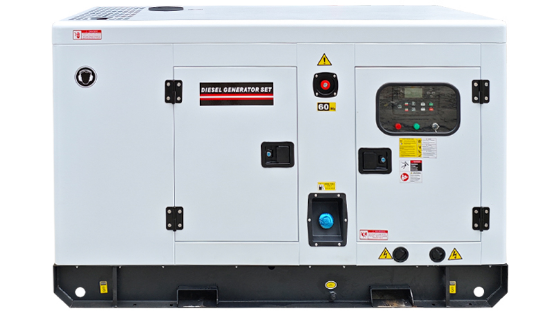
Cold climates change the sizing math in three ways, and buyers who skip this section usually end up with an undersized or badly utilized machine.
Cold air is denser, which slightly increases available engine power — the opposite of high-altitude derating. The real winter sizing issue is the electrical load itself. Heating loads, block heaters, heat tracing cable, and electric pre-heaters all add winter-only demand that summer load studies miss. A building that draws 60 kW in July can draw 90 kW in January purely from heating. Size the standby diesel generator against the winter load profile, not the annual average.
A genset that spends all summer running at 15% of rating suffers wet stacking — unburned fuel and carbon build up in the exhaust system. The healthy operating band is roughly 50–80% of prime rating. Two solutions work well in cold regions: right-sizing with a smaller summer unit plus a larger winter unit, or installing a load bank for periodic exercise. A 32kW silent generator pair, for example, can be paralleled in winter and run singly in summer — ask the factory about paralleling capability if loads swing seasonally.
Consider a northern cold-storage facility: compressors and fans draw 55 kW continuously, winter heat tracing adds 12 kW, lighting and controls add 5 kW, and motor starting margin adds 20%. Total winter demand lands near 86 kW — pointing to a machine in the 100kW class, which also leaves headroom for future expansion. The same site sized on a summer survey would have wrongly selected an 80kW unit and tripped on the first cold snap.
The enclosure is the generator's winter coat, and the choice among enclosure types has direct cost and performance consequences.
A 24kW silent diesel generator in a steel canopy handles snow and wind well if three details are specified: a snow-rated louvre design that resists drift blockage, an internally heated control cabinet to keep displays and relays functional, and an under-hood or coolant-based enclosure heater that turns the canopy into a pre-warmed cocoon. For small facilities — homes, shops, gatehouses — a 20kW silent generator with these options is a complete winter package on one skid.
For arctic conditions, a containerized genset with full insulation, dual heating zones (engine room and control room), and an internally heated fuel day-tank is the standard answer. The container keeps wind chill off the block, protects service personnel during maintenance, and allows standard commercial-grade components to survive conditions that would defeat them outdoors.
Where a heated plant room exists — factories, hospitals, hotels — an open frame generator is the most economical choice because the building provides the weather protection for free. The critical detail is combustion air and radiator ducting: the room needs make-up air openings sized per the manufacturer's data, and the exhaust must exit above expected snow depth so drifts cannot block the tailpipe and cause back-pressure shutdowns.
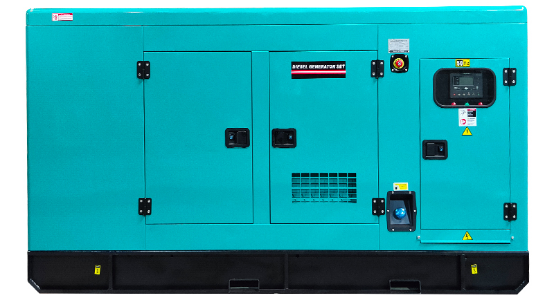
Manufacturer claims about cold performance are best judged against delivered projects. One of the most demanding references in this segment is a Weichai-powered generator running in a mining area at 5,300 meters above sea level — an environment that combines thin air, deep cold, and zero tolerance for downtime. Projects like this demonstrate that engine selection (Weichai, Cummins, and similar heavy-duty platforms), cold-start equipment, and enclosure engineering can be matched to genuinely hostile conditions.
Export history matters equally. Units delivered to markets such as Mongolia, Kazakhstan, and Northern China's winter provinces carry the same specification logic as tropical units delivered to Cambodia, Vietnam, and Tanzania — but with the winterization options discussed above. When evaluating a generator manufacturer's credentials, ask specifically for cold-region delivery references and the options list that accompanied them, then compare against the ISO 8528 duty rating quoted for your application.
China produces the world's widest range of diesel gensets, from a 10kW compact silent unit to multi-megawatt containerized power plants, and prices are highly competitive. The discipline that separates successful cold-region buyers from disappointed ones is verification. Use this checklist:
Working with an established source factory such as Guangdong Longhong Electromechanical Equipment Co., Ltd. simplifies this process: with more than 20 years of manufacturing experience, CE and ISO certification, a permanent stock of 200+ units in the 3KVA–3000KVA range, and export experience across Asia and Africa, the factory can configure winterization options against a written cold-climate requirement and support commissioning remotely.
Cold-climate reliability is engineered, not hoped for. A winter-ready diesel generator set combines a block heater and glow/intake heating for the engine, a battery heater to preserve cranking power, winter-grade fuel with anti-gel protection, an enclosure matched to snow and wind, and a controller that sequences the cold start automatically. Size the machine against winter loads — heating demand and motor-starting surges — and keep it operating in the 50–80% band to avoid wet stacking in the milder months. Finally, treat the purchase as a verification exercise: demand written cold-start specifications, factory test evidence, and cold-region references before signing.
Browse the full range of open frame, silent, trailer and containerized diesel generators, or view the export case studies to see delivered projects across multiple climates. For a winterized quotation, contact the factory with your site's minimum design temperature and load profile — a properly specified unit will start on the coldest morning of the year, which is exactly when a standby generator earns its price.


