

 English
 العربية
 Español
 Русский
Industry News
Industry News

Power outages are no longer a rare inconvenience. From seasonal storms and grid overloads to rural voltage instability, homeowners everywhere are looking for a dependable generator for home use that starts automatically and runs quietly enough to keep the neighborhood happy. A silent canopy diesel generator offers exactly that: the reliability of a diesel power generator wrapped in a sound-attenuated enclosure that reduces noise to conversation-level volume. At Longhong Power, a leading China diesel generator manufacturer, we help homeowners select diesel genset solutions from 3KVA to 3000KVA. In this guide, we explain why a canopy diesel generator is a smart investment, what features matter most, and how to size a standby diesel generator for your property.
A canopy diesel generator is a diesel engine coupled to an alternator and enclosed in a weather-resistant, sound-insulated cabinet. Unlike an open-frame unit, the canopy uses lined steel panels, air baffles, and exhaust silencers to trap engine noise. The result is a compact diesel genset that can sit outside a home without sounding like a construction site. These units are sometimes called "silent" generators because canopy designs routinely cut noise from 100–105 dB down to 65–75 dB at seven meters — roughly the level of a normal conversation or a dishwasher.
The enclosure also protects the engine from rain, dust, direct sunlight, and curious animals. For homeowners in coastal or humid regions, a marine-grade canopy with powder-coated steel and stainless-steel fasteners extends the service life of the unit. Inside, the same proven engines used in open-frame models — Cummins, Weichai, Yuchai, Perkins, Volvo, and Yunnei — deliver the durability that has made the diesel generator set the global standard for backup power.
Because the canopy is self-contained, installation is simpler than many people expect. A qualified electrician connects the generator to the household distribution board through an automatic transfer switch (ATS). When mains power fails, the ATS signals the emergency diesel generator to start; when utility power returns, the ATS transfers the load back to the grid and the genset cools down and shuts off. The entire sequence takes seconds and requires no action from the homeowner.
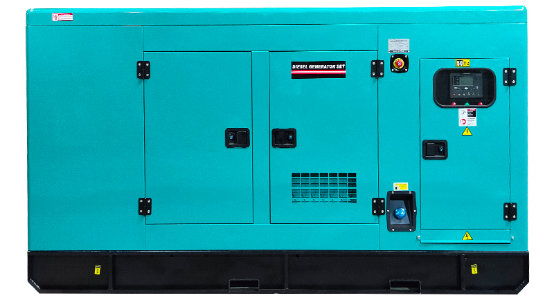
Figure 1: The Yunnei 100kW silent diesel generator set — a quiet, canopy-enclosed solution for residential and light commercial backup power.
Homeowners invest in a power generator for one fundamental reason: peace of mind. But not all backup power solutions are equal. A silent canopy diesel generator stands out for four practical reasons.
Diesel engines are compression-ignition machines, meaning they do not rely on spark plugs and tolerate a wider range of fuel quality than gasoline engines. This mechanical simplicity makes a standby diesel generator far more likely to start after months of idleness. For families with medical equipment, home offices, security systems, or refrigerated medicines, that reliability is not a luxury — it is essential.
No one wants to trade a power outage for a noise complaint. A properly designed canopy diesel generator keeps outdoor sound levels low enough that residents can sleep with windows open. In densely packed neighborhoods or gated communities with strict covenants, quiet operation can be the deciding factor when choosing between fuel types and enclosure styles.
Diesel engines run at lower RPM than comparable gasoline engines and experience less internal wear. With routine oil and filter changes, a quality diesel power generator can accumulate 20,000 to 30,000 running hours before a major overhaul. For a typical homeowner who exercises the unit monthly and runs it only during outages, that lifespan often exceeds 20 years.
A permanently installed automatic backup generator is increasingly viewed as an upgrade, similar to a security system or solar panels. Prospective buyers in outage-prone regions see a diesel genset as a sign that the home is prepared for emergencies, which can translate into faster sales and stronger offers.
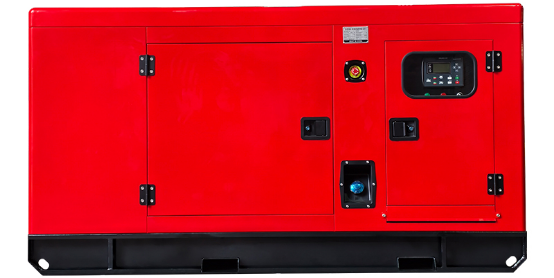
Figure 2: The Yunnei 80kW silent diesel generator set — compact enough for residential properties while delivering substantial backup capacity.
Choosing the right unit means matching the generator to your electrical load, climate, and installation constraints. Here are the features that separate a professional generator for home from a light-duty portable unit.
Look for a canopy constructed from zinc-coated or powder-coated steel with fire-retardant acoustic foam. The foam should be oil-resistant and rated for the engine's operating temperature. High-quality canopies include rubber-mounted engine supports to reduce vibration, which is the source of much of the perceived noise.
The engine is the heart of any diesel generator set. Longhong Power offers units powered by Cummins, Weichai, Yuchai, Perkins, Volvo, and Yunnei — each with global parts networks. Selecting a well-supported brand ensures that filters, injectors, and service expertise will be available for the life of the machine. Visit our product catalog to compare engine options and outputs.
An ATS is what makes a standby diesel generator truly automatic. Without it, you must manually start the generator and flip breakers during an outage — not ideal if you are away from home. With an ATS, the system senses the outage, starts the engine, and transfers the load within 10–30 seconds.
Most homes use single-phase diesel generator power at 220V, while larger estates or properties with workshops may need three-phase diesel generator output for heavy machinery. Check your household distribution board and any large motors — pumps, welders, lifts — before ordering. A good supplier will help you choose the correct voltage and phase configuration.
Outdoor generators face rain, humidity, salt air, dust, and temperature swings. Ensure the canopy has a rated ingress protection (IP) level, sealed door gaskets, and a sloped roof that sheds water. Stainless hardware and a protective base frame prevent rust and keep the unit looking professional beside your home.
Modern control modules display voltage, frequency, oil pressure, coolant temperature, battery voltage, and running hours. Some units also log faults and send alerts. A clear display removes guesswork and helps homeowners schedule maintenance before minor issues become expensive failures.
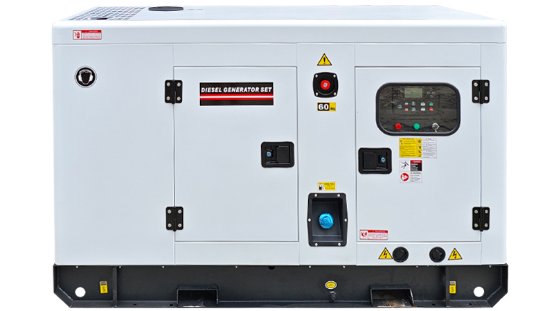
Figure 3: The Yunnei 32kW silent diesel generator set — a right-sized canopy unit for small homes, cottages, and remote properties.
One of the most common mistakes homeowners make is buying a generator that is too large or too small. Oversizing wastes fuel and money; undersizing causes overloads, voltage sags, and premature wear. Correct sizing begins with an honest inventory of what you need to keep running during an outage.
Walk through your home and list the appliances and systems you want the emergency diesel generator to support. Common priorities include refrigeration, lighting, internet routers, sump pumps, water heaters, air conditioning, and medical devices. Each device has a nameplate rating in watts or kilowatts. Add them together to get your baseline running load.
Motors in refrigerators, air conditioners, and well pumps draw several times their running current for a second or two when they start. A diesel power generator must be able to supply this surge without stalling. As a rule of thumb, add 25–30% to your total running load to cover motor starting, or specify a soft-starter for your largest motor.
Residential generators are usually rated in kVA, where real power in kW equals kVA multiplied by the power factor (typically 0.8). A 20 kVA unit delivers roughly 16 kW of usable power — enough for lights, refrigeration, routers, and a few small appliances. A 50 kVA unit can support a larger home with air conditioning, pumps, and an electric water heater. For most single-family homes, a 80kW silent diesel generator or a 32kW silent diesel generator covers typical critical loads, while estates and farmhouses may need a 100kW diesel generator.
Quick sizing tip: Add up your running watts, multiply by 1.3 for starting surge, then convert to kVA by dividing by 0.8. The result is the minimum generator rating you should consider.
A residential generator is a long-term installation, so placement deserves as much attention as the machine itself. The right location balances accessibility, safety, noise control, and code compliance.
Canopy generators are designed for outdoor installation, typically on a concrete pad or crushed-stone bed near the home's electrical service entrance. Keep the unit at least one meter from walls and vegetation to ensure airflow and simplify maintenance. Avoid locations directly under windows, bedroom balconies, or neighbor-facing walls if possible.
Diesel engines need a large volume of cooling air and must exhaust combustion gases safely away from occupied spaces. The canopy intake and discharge should never be blocked. Exhaust piping should terminate outside and away from doors, windows, or air-conditioning condensers. A licensed installer will verify that all clearances meet local codes.
Many municipalities and homeowners associations set nighttime noise limits, often around 55 dB at the property line. A quality canopy diesel generator from a CE and ISO certified factory is tested against standardized sound-power protocols. Ask your supplier for the measured sound-pressure level at seven meters and compare it to your local rules before finalizing placement.
Diesel fuel is safer to store than gasoline because it does not ignite easily and has a longer shelf life. A small above-ground tank or a sub-base tank built into the generator skid can provide 24–72 hours of runtime. Add a fuel stabilizer if the unit may sit unused for extended periods, and keep water out of the tank to avoid microbial growth.
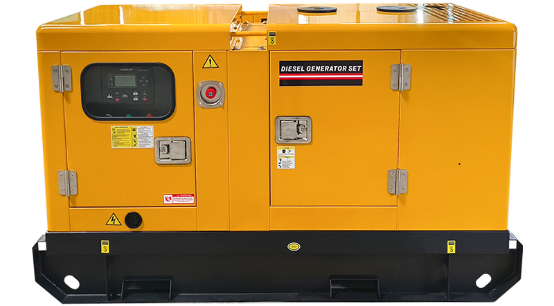
Figure 4: The compact 10-14kW silent diesel generator set — an excellent entry-level choice for small homes, cabins, and essential-load backup.
When evaluating backup power, purchase price is only part of the equation. Fuel consumption, maintenance, and expected lifespan determine the true cost of ownership.
Diesel engines are more fuel-efficient than gasoline engines of the same power output, often consuming 30–40% less fuel per kWh. Diesel fuel is also more widely available in bulk and stores longer. For a homeowner planning multi-day outages after storms or grid failures, that efficiency translates into fewer fuel deliveries and lower operating stress.
A modern residential diesel genset consumes roughly 0.2 to 0.3 liters of diesel per kWh produced. A 20 kW unit running at half load might use about 2.5 liters per hour, while a 50 kW unit at half load might use 6 liters per hour. These figures vary with engine technology, ambient temperature, and load profile, but they are useful for estimating fuel storage needs.
Home generators require less maintenance than most people assume. Annual service typically includes an oil and filter change, fuel filter replacement, air filter cleaning or replacement, coolant check, and battery inspection. Over a decade, maintenance costs are usually a small fraction of the generator's purchase price — especially when compared to the cost of spoiled food, frozen pipes, or lost productivity during an extended outage.
A well-maintained generator for home use is safe and dependable. A neglected one can become a hazard. Follow these guidelines to protect your family and your investment.
Never run a generator indoors, in a garage, or near open windows. Even a "silent" canopy unit produces exhaust gases that can be deadly in enclosed spaces. Ensure your installer places the exhaust outlet away from the house and that carbon monoxide detectors are active inside.
Most experts recommend running the standby diesel generator under load for 20–30 minutes each month. This keeps seals lubricated, charges the battery, drives moisture out of the exhaust, and confirms that the ATS transfers correctly. Many modern controllers can schedule this exercise automatically.
The starter battery is the most common failure point on rarely used generators. Keep terminals clean and tight, check electrolyte levels on flooded batteries, and replace the battery every three to five years. A weak battery can turn a perfectly good diesel power generator into a silent box when you need it most.
Once a year, have a qualified technician inspect the fuel system, coolant hoses, belts, exhaust, and control panel. Catching a cracked hose or corroded terminal early prevents expensive repairs and ensures the unit is ready for the next outage.
A silent canopy diesel generator gives homeowners the best of both worlds: the proven durability of diesel power and the quiet, unobtrusive operation that modern neighborhoods demand. Whether you need a compact single-phase diesel generator for a city home or a larger three-phase diesel generator for a rural estate, the key is to choose a unit that matches your load, installation site, and maintenance expectations.
At Longhong Power, we manufacture and export diesel generator set solutions from 3KVA to 3000KVA for customers in Cambodia, Vietnam, Myanmar, Tanzania, Libya, and beyond. As a China diesel generator factory with CE and ISO certification, we combine permanent stock of more than 200 units with engineering support that helps buyers choose the right genset the first time. Explore our product catalog or review a real-world school 500KVA silent generator installation to see how quiet, reliable backup power can protect what matters most.
About Guangdong Longhong Electromechanical Equipment Co., Ltd.
Longhong Power is a China diesel generator manufacturer and source factory established in 2010 in Guangdong, China. With more than 20 years of industry experience, we produce open frame, silent/canopy, trailer, and containerized diesel generators powered by Cummins, Weichai, Yuchai, Perkins, Volvo, and Yunnei engines. Our products range from 3KVA to 3000KVA, are CE and ISO certified, and are exported to markets worldwide. Visit https://www.longhongpower.com/ to learn more or request a quote.


