

 English
 العربية
 Español
 Русский
Industry News
Industry News

Bakeries, dairy plants, meat processing facilities, and cold-chain food factories cannot afford even a few minutes of unplanned downtime. A single outage can spoil raw materials, halt production lines, and violate HACCP temperature records. For operations managers searching for a dependable diesel generator set, the challenge is not simply buying a power generator—it is selecting one that handles motor-starting surges, meets hygiene-area noise limits, and starts automatically when the grid drops.
Guangdong Longhong Electromechanical Equipment Co., Ltd. has supplied standby diesel generator and emergency diesel generator solutions to food processors across Asia and Africa since 2010. This guide explains how to size, enclose, and source the right diesel genset for bakeries and food processing plants in 2026.
Food processing combines continuous production equipment with strict safety windows. Ovens, mixers, conveyors, blast chillers, packaging machines, and IT servers all need steady electricity. When mains power fails, the immediate risks include:
A properly sized auto-start diesel generator with an automatic transfer switch (ATS) restores power in 10–15 seconds, keeping critical loads online until the grid returns. For facilities in regions with unstable supply, a diesel power plant can also serve as prime power during peak-shaving or seasonal shortages.
Before selecting a three-phase diesel generator or single-phase diesel generator, list every load that must run during an outage. Group them into three tiers:
Record the running kW, power factor, and starting method for each motor. Many food machines use direct-on-line (DOL) motors that draw 5–7 times their rated current at start-up. A generator that is large enough for steady-state load may still stall when a large compressor or dough mixer starts. That is why motor-starting analysis is the most important step in bakery and food-plant sizing.
The starting kVA of a motor depends on how it is started. Use these conservative multipliers when sizing your diesel generator set:
Also allow a 20–30% headroom above the largest motor-starting surge. If your biggest compressor needs 90 kVA to start, the generator should deliver at least 110–120 kVA of instantaneous capacity, even if the running load is only 60 kW. A 80kW silent diesel generator or 100kW diesel generator is a common starting point for mid-size bakeries, while larger plants move into 200–500 kVA sets.
Consider a commercial bakery with the following critical loads during an outage:
Total running load = 60 kW. At 0.8 power factor, that is 75 kVA. The largest DOL motor is the 18 kW compressor, which draws roughly 18 × 6 = 108 kVA at start. Adding 25% headroom gives 135 kVA peak demand. A 100 kW / 125 kVA standby-rated set would be marginal; the safer choice is a 125–150 kVA unit or a 100 kVA set with staggered motor-start sequencing. For smaller artisan bakeries, a 32kW silent generator or 24kW silent diesel generator often covers lights, mixers, and one chiller.
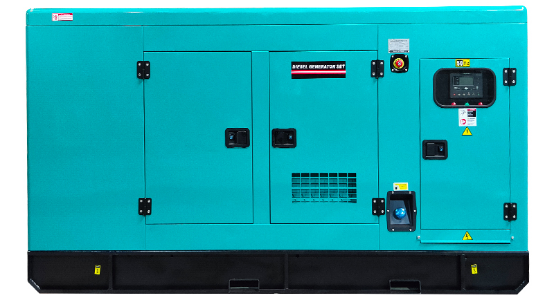
Food plants have stricter site rules than general industry. Flour dust, sugar particles, and wash-down routines create unique constraints:
For plants with limited indoor space, an outdoor canopy diesel generator on a concrete plinth keeps the unit out of the hygienic zone while remaining accessible for maintenance. A 80kW silent diesel generator is frequently chosen for bakeries that need low noise near residential or retail neighbors.
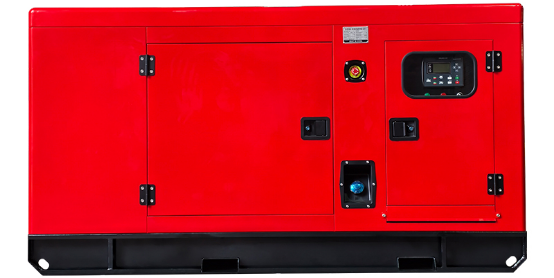
Modern food lines include sensitive electronics: programmable logic controllers (PLCs), servo-driven packaging machines, weigh-scales, and vision systems. A voltage dip during motor starting can trip these devices even if the generator itself does not stall. Look for these features:
If your plant runs large VFDs or servo systems, consider adding an input filter or reactor to protect both the drives and the alternator. A 64kW automatic generator with an auto-start diesel generator controller and AVR is a practical entry point for smaller facilities with mixed loads.
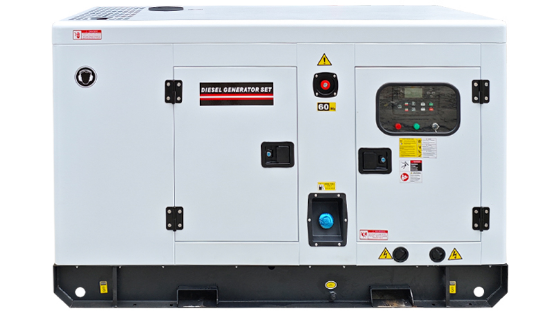
Fuel planning is where many food-plant buyers underestimate true running cost. Diesel consumption depends on load factor, engine efficiency, and ambient temperature. A modern diesel power generator typically consumes 0.20–0.28 liters per kWh. For the 60 kW bakery example above at 75% load, hourly consumption is roughly 9–12 liters.
Decide autonomy targets based on outage history:
Use clean diesel with water and particulate filters, and test fuel polishers annually. Install a secondary containment bund around the day tank to capture spills. For seasonal peak loads, a mobile trailer diesel generator can be brought on-site as temporary reinforcement without permanent civil works.
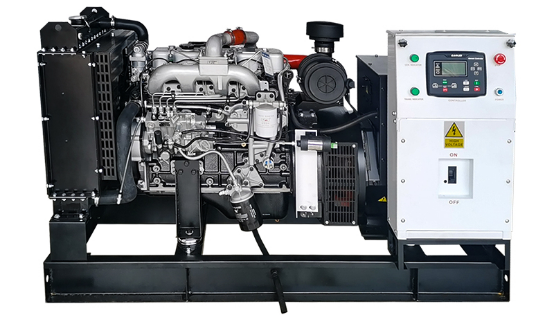
Sourcing a diesel generator set from a China diesel generator manufacturer gives buyers access to globally recognized engine brands at competitive lead times. Longhong builds sets around Cummins, Weichai, Yuchai, Perkins, Volvo, and Yunnei engines, with outputs from 3 kVA to 3000 kVA.
When evaluating a supplier, request these documents:
Browse the full product catalog to compare open-frame, silent/canopy, trailer, and containerized diesel generator options. For large multi-line facilities, review the 400KW/500KVA Yuchai silent generator case study to see how a single standby set can protect an entire production campus.
Bakeries and food processing plants need more than a generic power generator; they need a standby diesel generator sized for motor-starting surges, enclosed for hygiene and noise, and controlled for clean, stable output. By profiling loads in tiers, applying conservative start-up multipliers, and choosing a reputable China diesel generator manufacturer, buyers can protect product quality, regulatory compliance, and customer commitments.
Whether you need a compact 32kW silent generator for an artisan bakery or a 500 kVA campus standby set, start with a load audit and match the generator to real production demand. That is the difference between buying a backup machine and building a resilient food-processing power system.


